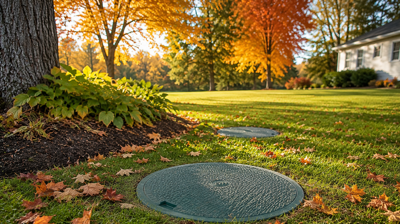

Wind River Environmental recommends pumping your septic tank every 1 to 2 years. If you are unsure when you tank was last pumped, start by checking your service records. Household use and system conditions may mean you need service sooner, but you should not wait for warning signs to schedule routine pumping.
This guide walks you through everything you need to know about septic tank pumping frequency, from baseline schedules and the variables that shift your timeline to warning signs that service is overdue. Wind River Environmental has spent over 75 years helping homeowners protect their systems, and the principles in this guide reflect the same practical approach our technicians use every day.
By the end, you will have a clear, personalized sense of when your tank needs service and what steps keep it running for decades.
Key Takeaways: Septic Tank Pumping Frequency
- Wind River Environmental recommends septic tank pumping every 1 to 2 years, with service sooner when system conditions or usage require it.
- Garbage disposal use can increase sludge buildup by 30 to 50 percent, cutting your pumping interval significantly.
- Warning signs like slow drains, gurgling pipes, and yard odors mean your tank may already be overdue for service.
- Keep a record of your last pump-out and plan your next visit within 1 to 2 years. Contact Wind River Environmental if you notice a problem before then.
- Routine pumping costs a few hundred dollars, while skipping it can lead to drain field failure costing thousands in repairs.
What is Septic Tank Pumping and Why Does It Matter?
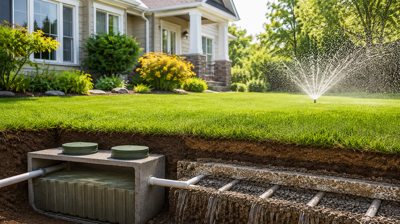
Septic tank pumping is the process of removing accumulated sludge and scum from you tank so the system can continue separating and treating household wastewater. Every time you flush a toilet, run a dishwasher, or take a shower, wastewater flows into the tank.
Inside the tank, heavy solids settle to the bottom as sludge. Lighter materials like grease and oils float to the top as scum. The clarified liquid in the middle, called effluent, flows out to your drain field where soil filters and treats it.
Why Regular Pumping Protects your Drain Field
When sludge and scum fill more than one-third of the tank's total volume, solids start escaping into the drain field. Those solids clog the soil and pipes. Once a drain field fails, it cannot be cleaned. It has to be replaced.
According to the EPA's guidance on septic system care, routine inspection and pumping are the single most important maintenance steps for protecting your system.
How Often Should You Pump Your Septic Tank?
Wind River Environmental recommends pumping your septic tank every 1 to 2 years. Household size, tank capacity, water habits, and system condition help determine where your service schedule falls within that interval and whether service is needed sooner.
A smaller household or larger tank does not change Wind River Environmental's recommendation to pump every 1 to 2 years. Larger households, smaller tanks, and heavier use may require more frequent service. Ask your technician to assess your system rather than relying on household size alone.
Keep track of your last pump-out and schedule your next service within 1 to 2 years. If you notice any changes in how your system is working, contact Wind River Environmental rather than waiting for your next scheduled visit.
What Factor Affect Septic Tank Pumping Frequency?
Several variables accelerate or slow the rate at which your tank fills with solids. Understanding them helps you anticipate service needs rather than react to emergencies.
Household Size
This is the single biggest factor. The average person generates around 70 gallons of wastewater per day. A household of two puts roughly 140 gallons into the tank daily, while a household of six sends in about 420 gallons. That threefold difference explains why family size drives the pumping timeline more than any other variable.
Count everyone living in the home full-time. If you regularly host extended guests or have teenagers who take long showers, your effective occupancy is higher than your actual headcount.
Tank Size
Larger tanks hold more solids and give wastewater longer retention time, which means bacteria have more opportunity to break down waste before effluent exits to the drain field. A three-bedroom home typically has a 1,000 gallon tank, while four or five bedroom homes usually have a 1,250 to 1,500 gallon tank.
If you have added bedrooms, a basement apartment, or an accessory dwelling unit since your system was installed, the tank may now be undersized for your actual usage. Ask your technician to confirm tank capacity at your next service visit.
Garbage Disposal Use
This factor catches most homeowners off guard. A garbage disposal sends ground food particles into your tank that anaerobic bacteria break down much more slowly than human waste. The result: sludge accumulates 30 to 50 percent faster.
If you use a garbage disposal, ask your technician whether your system needs pumping sooner within, or before, Wind River Environmental's recommended 1 to 2 year interval. Composting food scraps instead of grinding them into the drain helps reduce the solids entering your tank.
Water Usage Habits
High water use pushes effluent through the tank faster, reducing the time solids have to settle. Running multiple loads of laundry back to back, taking long showers, and using older high-flow toilets all increase the hydraulic load on your system.
A single leaky toilet can waste 200 gallons per day, nearly tripling the load for a one person household. Fixing leaks is one of the cheapest ways to reduce strain on your system and protect your drain field between scheduled pump-outs.
What Goes Down the Drain
The bacteria inside your septic tank are essential to breaking down solids. Harsh cleaning chemicals, antibacterial soaps, paint, solvents, and concentrated bleach can kill those bacteria and accelerate sludge buildup. Small amounts of normal household cleaners are not a concern. The problem comes from pouring concentrated doses directly into a drain.
Stick to septic-safe cleaning products and keep non-biodegradable items like wipes, paper towels and hygiene products our of the system entirely.
System Age and Condition
Tanks older than 20 years have lost effective volume due to hardened sludge that routine pumping does not fully remove. Cracked or deteriorating baffles can let solids escape into the drain field before the tank is technically full.
If your system is more than two decades old, ask your technician about its condition. Wind River Environmental can explain any concerns and recommend repairs when needed.
Warning Signs Your Septic Tank Needs Pumping
Your septic system rarely fails without giving you signals first. Knowing what to watch for helps you catch problems early, before a few-hundred dollar pump out turns into a multi-thousand dollar repiar.
Slow Drains Throughout the House
A single slow drain usually means a localized clog. When multiple fixtures drain slowly at the same time, the issue is likely downstream at or near the tank. If flushing the toilet causes gurgling in the shower drain, that is a strong indicator that the tank is approaching capacity.
Gurgling Sounds in Pipes or Toilets
Gurgling or bubbling sounds happen when air is forced back up through drain lines because the normal flow of wastewater into the tank is restricted. Isolated gurgling at one fixture is usually a venting issue. Gurgling at multiple fixtures simultaneously points to a septic problem.
Sewage Odors Near the Tank or Drain Field
A properly functioning system is virtually odorless aboveground. If you notice a sulfur or sewage smell near the tank, access port, or drain field area, sludge and scum levels may have risen high enough to push gases back through the system. Indoor odors near floor drains or in the basement warrant an immediate inspection.
Wet or Unusually Green Patches of Grass
When effluent rich in nutrients reaches the soil surface, the grass above the drain field grows greener and taller than surrounding areas. Standing water or spongy soil over the drain field is an advanced warning sign that the field is saturated and struggling to absorb wastewater.
Sewage Backup Into the Home
Sewage backing up into your home requires immediate professional attention. Stop using water and avoid flushing toilets until the problem is assessed. A backup can have several causes, so do not assume pumping alone will resolve it. Call Wind River Environmental for urgent help, or visit PumpMySeptic.com to schedule septic pumping.
If you notice any of these warning signs, scheduling a septic pumping sooner rather than later protects your system and your property.
What Happens If You Skip or Delay Pumping?
Delaying pumping is the most common cause of septic system failure. The process unfolds in stages, and each stage gets more expensive to fix.
How Neglect Leads to Drain Field Failure
First, sludge and scum accumulate until they take up most of the tank’s volume. Effluent has less time to settle, and more suspended solids exit with the liquid. Those solids flow through the outlet pipe and into the drain field.
Over time, soil pores and gravel in the drain field trenches fill with solid material. The soil loses its ability to absorb and treat effluent. You may notice slow drains, faint odors, or soggy patches in the yard.
The Cost of Skipping Septic Tank Pumping
The math is straightforward: routine pumping costs a few hundred dollars per visit, with Wind River Environmental recommending service every 1 to 2 years. Drain field replacement typically runs $5,000 to $15,000. A full system replacement can exceed $20,000. Staying on schedule is by far the less expensive path.
How to Stay on a Regular Pumping Schedule
Wind River Environmental recommends septic tank pumping every 1 to 2 years. You do not need to calculate water use or sludge accumulation to keep track of routine service.
Step 1: Record Your Last Pump Out
Keep the date of your most recent septic pumping with your home maintenance records. If you cannot find it, contact your previous service provider or schedule service to get back on track.
Step 2: Note Changes at Home
Let your technician know about additional occupants, frequent guests, garbage disposal use, or changes in how your drains are working. These details help the team discuss your service needs without requiring measured water usage or accumulation data.
Step 3: Set Your Interval
Plan your next pump-out within 1 to 2 years. Ask your technician whether your household habits or observed system conditions call for service sooner. Add a calendar reminder and keep the date of each visit. Do not wait for warning signs to arrange routine service.
Septic Tank Maintenance Tips Between Pumping Visits
Pumping is the most critical maintenance task, but it is not the only one. A few simple habits can slow sludge buildup and keep your system running efficiently between service visits.
Watch What You Flush
Only flush human waste and toilet paper. Wipes (even those labeled “flushable”), paper towels, and other products do not break down in the tank and accelerate solid accumulation.
Spread Out Water Use
Running multiple loads of laundry, the dishwasher, and showers in a short window sends a surge of water into the tank. Spacing water use throughout the day gives solids more time to settle and reduces the chance of pushing particles into the drain field.
Use Septic-Safe Products
Avoid pouring concentrated chemicals, paint, solvents, or large amounts of bleach down the drain. These substances kill the anaerobic bacteria your tank relies on to digest waste. Standard household cleaners in normal amounts are fine.
Protect the Drain Field
Do not park vehicles, place heavy structures, or plant deep-rooted trees over the drain field. Compacted soil reduces its ability to absorb effluent, and root intrusion can damage distribution pipes. Keep the area clear and planted with grass only.
Ask About Septic Additives
Wind River Environmental supports the use of appropriate septic additives to help mitigate the impact of household cleaning products on the bacteria in your tank. Ask our team which product is appropriate for your system and follow its directions. Additives do not replace routine pumping every 1 to 2 years or careful choices about what goes down the drain.
Learn more about our septic system additives, or visit PumpMySeptic.com and select Purchase Additives to order.
Fix Leaks Promptly
A running toilet or dripping faucet adds unnecessary volume to the tank and shortens your pumping interval. Repairing leaks is one of the most cost-effective ways to protect your system.
When to Call a Professional for Septic Service
Scheduling routine pumping before problems appear is always the goal. But certain situations call for immediate professional attention.
Call for service if you notice sewage backing up into your home, multiple slow drains that are not resolved by clearing individual clogs, persistent sewage odors indoors or outdoors, standing water over the drain field, or if it has been more than two years since your last pump-out. Do not wait for warning signs to schedule routine pumping every 1 to 2 years.
Wind River Environmental offers 24/7 emergency septic service backed by over 1,100 technicians, 1,000 service vehicles, and
100 local teams across the East Coast. Our technicians arrive with a plan, communicate throughout the job, and leave your property in the same condition they found it.
If you are unsure whether your tank is due for service, contact our team to discuss your service history and next steps.
How Wind River Environmental Handles Septic TankPumping
What to Expect During Your Service Visit
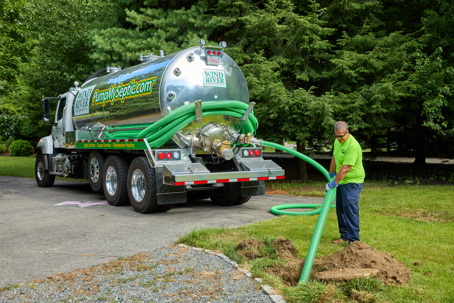
When you schedule pumping with Wind River Environmental, we confirm your appointment and communicate before arrival. Our technician pumps the tank, inspects the system, and explains the work completed and any concerns found.
During pumping, accumulated waste is removed from the tank. After service, you receive a digital report and images of the work. Keep these documents with your service history; they are not measurements of sludge accumulation rates or household water use.
Honest Diagnostics and Transparent Pricing
If the technician spots anything that needs attention, like a cracked baffle, a failing effluent filter, or early signs of drain field stress, you hear about it on the spot with clear options and honest pricing. No unnecessary repairs. No surprises.
Wind River Environmental also provides septic system installation and trenchless pipelining . Our team explains the options when your system needs attention beyond pumping.
In Conclusion: Protecting Your Septic System Starts With a Schedule
Your septic system works hard every day, and routine pumping is the single most effective way to keep it performing for 25 years or more. Wind River Environmental recommends pumping every 1 to 2 years, with household size, tank capacity, water habits, and system condition informing whether service is needed sooner.
Stay on a regular 1-to-2-year pumping schedule, keep your service dates on record, and contact our team if you notice changes between visits. Routine maintenance is a small investment compared to the thousands that a neglected system can cost.
If it has been more than two years since your last pump-out, or you have noticed any of the warning signs described in this guide, now is the time to act. Visit PumpMySeptic.com to schedule septic pumping, or contact Wind River Environmental to request an inspection or discuss your system’s needs.
FAQs About Septic Tank Pumping Frequency
How often does a family of four need to pump their septic tank?
Wind River Environmental recommends that a family of four pump its septic tank every1 to 2 years. Contact our team if household use changes or you notice problems before your next scheduled pump-out.
Can I go longer than five years without pumping?
Wind River Environmental recommends pumping every 1 to 2 years rather than waiting five years or longer, even for smaller households with large tanks. A technician can assess your system and determine whether service is needed sooner. Staying on schedule helps reduce the risk of solids reaching the drain field.
Does a garbage disposal affect my septic pumping schedule?
Yes. A garbage disposal increases solid waste in the tank by 30 to 50 percent, requiring significantly more frequent pumping. Many septic professionals recommend composting food scraps instead of grinding them. Wind River Environmental can help you adjust your schedule if you use a disposal.
What are the most common signs my septic tank needs pumping?
Slow drains throughout the house, gurgling pipes, sewage odors in the yard, standing water over the drain field, and unusually green grass near the tank are the most reliable indicators. Any sewage backup inside the home requires immediate professional service.
Does Wind River Environmental recommend septic additives?
We support appropriate septic additives to help mitigate the impact of household cleaning products on your tank’s bacteria. Ask our team about a suitable product and follow its directions. Continue pumping every 1 to 2 years; additives are not a substitute for pumping.
How much does septic tank pumping typically cost?
Pumping generally costs a few hundred dollars per visit, with variation based on tank size, accessibility, and your geographic region. That investment is minimal compared to drain field replacement or full system replacement, which can run into the tens of thousands. Wind River Environmental provides clear upfront pricing so you know what to expect.