
When summer begins to cool down, your to-do list for fall starts to heat up. School starts, vacations end, and routines shift. You’re juggling enough without worrying about your septic system. At Wind River, we’re here to keep life flowing, so we wanted to remind you that a little preparation now can help prevent unpleasant surprises later.
Fall is a great time to take care of routine septic system maintenance before colder temperatures, wet weather, and busy holiday gatherings put additional demands on your system. Here are five things every homeowner with a septic system should consider doing before the leaves start to fall.
1. Schedule Your Septic Tank Pumping
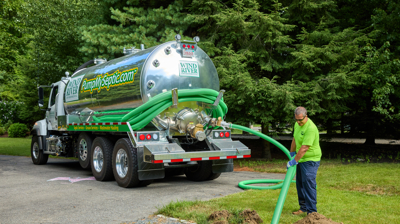
If your septic tank is approaching its recommended pumping interval, don't wait until fall is in full swing to schedule service. Getting your septic tank pumping done before the seasonal rush can help keep your system working properly and reduce the risk of backups.
Regular pumping removes the solids that naturally accumulate in your tank. How often your tank needs to be pumped depends on factors such as household size, tank capacity, and how much wastewater your home produces.
Not sure when your tank was last pumped? Fall is a good time to find out!
2. Check Your Effluent Filter
Your effluent filter plays an important role in keeping solids from leaving the septic tank and entering the drain field. Over time, the filter can become clogged with buildup and restrict the flow of wastewater.
If your system has an accessible effluent filter, have it inspected and cleaned as recommended by your septic professional. Keeping the filter clean is a simple part of septic maintenance that can help protect your drain field and the rest of your system.
3. Inspect Your Septic Risers and Lids
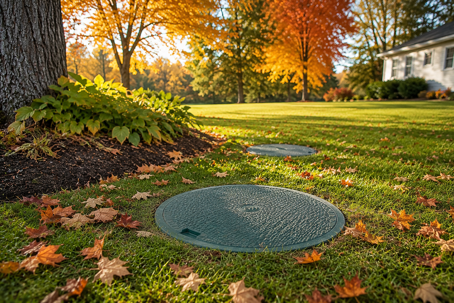
Take a look at your septic tank risers and lids before the ground becomes colder and wetter. Damaged, loose, or deteriorating lids can create safety concerns and allow water, debris, or unwanted materials to enter the tank.
If your tank doesn't have risers, this can also be a good time to ask a septic service professional whether installing them makes sense for your system. Risers can make future inspections and pumping easier by providing easier access to the tank.
4. Trim Vegetation Around Your Septic System
Fall is an excellent time to look at what's growing around your septic tank and drain field. Trees, shrubs, and other plants with aggressive root systems can potentially interfere with septic components and underground pipes.
Avoid planting trees or large shrubs too close to your septic system. If vegetation is already growing near the tank or drain field, talk with a septic professional before removing anything, particularly if you're concerned about roots.
A little attention to landscaping now can help protect your septic system for years to come.
5. Keep Rainwater Away From Your Drain Field
Fall often brings heavier rain, and your septic system needs properly draining soil around the drain field to function effectively. Make sure roof gutters, downspouts, sump pumps, and other drainage systems aren't directing large amounts of water toward your septic area.
Excess water can saturate the soil and make it more difficult for the drain field to absorb and treat wastewater.
Walk around your property before fall arrives and look for areas where water collects or flows toward the septic system. Redirecting roof runoff away from the drain field can be a simple but important part of preparing your septic system for wetter weather.
A Little Fall Preparation Goes a Long Way
Your septic system works quietly in the background all year, but it still needs regular attention. Taking care of routine septic maintenance before fall can help you identify potential problems while they're still manageable.
Schedule your septic tank pumping, check your effluent filter, inspect your risers and lids, manage vegetation, and make sure rainwater is draining away from your drain field. These simple steps can help keep your septic system running smoothly as the seasons change.
And if you're unsure about the condition of your system, a professional septic inspection from Wind River Environmental can help identify problems before they turn into an unexpected fall or winter headache.