
Quick Answer
Yes. Poorly maintained grease traps and drain systems can create the ideal environment for fruit flies and drain flies to breed. Grease, food particles, moisture, and organic buildup provide both a food source and a breeding ground for these pests. During warmer months, increased decomposition and stronger orders can make the problem even worse. Regular grease trap cleaning and preventative maintenance can help reduce infestations, improve sanitation, and protect your restaurant's reputation.
As temperatures rise during the summer months, many restaurant operators notice an increase in unpleasant drain odor and flying pests around their kitchen, bars, and dining areas.
One reason is that the warmer weather causes grease and organic waste inside grease traps to soften and break down more quickly. As this material decomposes, it can produce stronger odors that attract fruit flies, drain flies, and other pests.
What may start as a few flies near a floor drain or bar sink can quickly become a recurring problem if the source is not addressed. In this post, we’ll answer the most common questions restaurant owners have about fruit flies, grease traps, prevention strategies, and long-term maintenance solutions.
Why Are Fruit Flies Such a Big Problem for Restaurants?
A few fruit flies in a restaurant kitchen may seem harmless, but they can quickly become a costly problem.
Customers who see flies around their table, drink station, or bar often associate them with poor cleanliness. With online reviews and social media, even a single negative experience can impact customer perception.
Fruit flies can also raise concerns during health inspections. While they are often considered nuisance pests, research has shown that fruit flies can carry and transfer bacteria such as E. coli, Salmonella, and Listeria between contaminated surfaces and food-contact areas.
The result?
● Negative customer experiences
● Poor online reviews
● Increased pest control costs
● Potential health inspection issues
● Lost revenue
How Do Grease Traps Attract Fruit Flies?
Grease trap fruit flies are attracted to moisture and decomposing organic material.
Over time, grease traps collect:
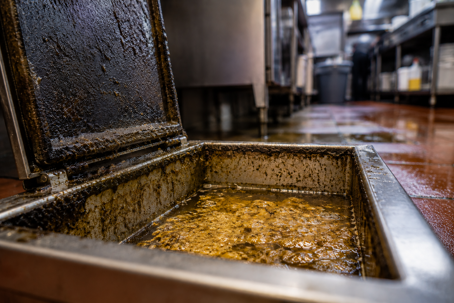
● Fats, oils, and grease (FOG)
● Food scraps
● Organic sludge
● Fermenting residues
As this material accumulates, it creates ideal conditions for fruit flies and drain flies to feed, reproduce, and thrive.
Grease trap connections, floor drains, and sink drains are especially vulnerable because they remain warm, damp, and rich in organic matter.
Even if your kitchen surfaces appear clean, hidden buildup inside drains and grease trap systems can support an ongoing infestation.
Fruit Flies vs Drain Flies
Many restaurant operators refer to all small flying insects as "fruit flies," but the culprit can also be drain flies.
Drain flies breed in the biofilm and organic sludge that forms inside drain lines, floor drains, and grease trap systems. Commercial kitchens provide ideal conditions because food particles, grease, and moisture constantly flow through these systems.
Whether you're dealing with fruit flies or drain flies in your restaurant, the root cause is often the same:
Organic buildup that is not being fully removed through routine restaurant grease trap maintenance.
What Are the Warning Signs of a Grease Trap-Related Fly Problem?
Restaurant owners should investigate their grease trap and drain systems if they notice:
● Small flies around sinks or floor drains
● Flies near bar areas, soda stations, or beverage dispensers
● Increased activity after closing hours
● Persistent odors coming from drains
● Recurring fly issues despite pest control treatments
One common mistake is focusing only on eliminating adult flies. Traps and insecticides may reduce visible activity, but if the breeding source remains, the infestation often returns.
How Do You Get Rid of Fruit Flies in a Restaurant?
The short answer: to get rid of fruit flies in a restaurant, remove the breeding source by cleaning grease traps, drains, and areas with food residue, eliminate standing water, sanitize trash areas, and maintain a regular grease trap cleaning schedule. Traps can reduce adult flies, but long-term control requires eliminating the organic buildup where flies reproduce.
The most effective way to eliminate fruit flies is to identify and remove the source that's allowing them to breed.
While fly traps and insecticides can reduce the number of adult flies you see, they rarely solve the problem on their own. A single fruit fly can lay hundreds of eggs, and new flies can emerge in as little as a week if breeding areas remain untreated.
6 Tips To Eliminate a Fruit Fly Infestation
1. Deep Clean Drains and Grease Trap Systems
Fruit flies often lay eggs in the organic buildup found inside drains, grease interceptors, and plumbing systems. Removing accumulated grease, sludge, and food debris eliminates the environment they need to reproduce.
2. Remove Food Sources
Inspect and clean:
● Under kitchen equipment
● Behind bar stations
● Around soda fountains
● Under prep tables
● Trash receptacles and dumpster areas
Even small amounts of fermenting food residue can attract fruit flies.
3. Eliminate Standing Water
Fruit flies thrive in damp environments. Check for:
● Leaking faucets
● Condensation around equipment
● Poorly draining floor drains
● Water collecting beneath sinks or appliances
4. Clean and Sanitize Trash Areas
Garbage containers should be emptied regularly and cleaned thoroughly. Sticky residues inside trash cans are common breeding locations.
5. Use Traps to Monitor Activity
Commercial fruit fly traps can help identify where flies are most active and reduce adult populations. However, traps should be viewed as a monitoring tool—not a complete solution.
6. Schedule Professional Grease Trap Maintenance
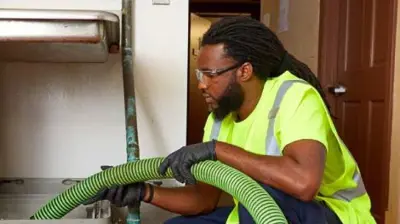
If fruit flies continue to return despite cleaning efforts, the source may be deeper within your grease trap or drain system. Professional grease trap cleaning in restaurants removes the organic buildup that often fuels recurring infestations and helps prevent future outbreaks.
How Long Does It Take to Get Rid of Fruit Flies?
Once breeding sources are removed, many restaurants see a significant reduction in fruit fly activity within a few days. Complete elimination can take one to three weeks depending on the size of the infestation and whether all breeding areas have been properly cleaned.
The key is not killing the flies you can see—it's eliminating the conditions that allow new ones to hatch.
How Often Should Grease Traps Be Cleaned?
The appropriate cleaning schedule depends on:
● Restaurant size
● Food volume
● Menu type
● Local regulations
However, waiting until a grease trap is full or causing odors is usually too late.
Routine professional grease trap maintenance helps:
● Remove accumulated grease and sludge
● Reduce organic buildup
● Minimize odors
● Support pest prevention efforts
● Improve overall kitchen sanitation
A preventative maintenance schedule is almost always less expensive than dealing with recurring pest infestations, emergency service calls, or negative inspection results.
What Can Restaurants Do to Prevent Fruit Fly Infestations?
A comprehensive prevention plan should include:
1. Schedule Regular Grease Trap Cleaning
Removing accumulated grease and organic waste reduces breeding opportunities.
2. Keep Drains Clean
Floor drains, sink drains, and bar drains should be cleaned regularly to remove biofilm and food residue.
3. Eliminate Standing Water
Fruit flies and drain flies thrive in moist environments. Address leaks and drainage issues promptly.
4. Improve Waste Management
Empty trash frequently and keep waste containers clean and sealed.
5. Inspect Hard-to-Reach Areas
Food debris can accumulate under equipment, behind bars, and around beverage stations where flies often breed.
6. Work With Professional Service Providers
A combination of grease trap maintenance and pest management is often the most effective long-term solution.
Maintenance is the Key to Long-Term Prevention
If your restaurant is experiencing recurring fruit fly or drain fly problems, the source may be hiding below the surface.
Grease traps, drains, and plumbing systems can accumulate the moisture and organic material these pests need to reproduce. While traps and insecticides may provide temporary relief, addressing the underlying buildup through regular grease trap maintenance is often the key to long-term prevention.
A proactive cleaning and maintenance program can help protect your kitchen, improve sanitation, support health inspection readiness, and create a better experience for both staff and customers.
Frequently Asked Questions
Can a grease trap cause fruit flies?
Yes. Food waste, grease, and organic residue inside grease traps can create an attractive breeding environment for fruit flies and similar pests.
Why do fruit flies keep coming back after treatment?
Many treatments target adult flies but do not eliminate breeding sites. If organic buildup remains inside drains or grease traps, new flies can emerge within days.
Are fruit flies a health code concern?
They can be. Fruit flies are often viewed as indicators of sanitation issues and have been shown to transfer certain bacteria under laboratory conditions.
What is the difference between fruit flies and drain flies?
Fruit flies are attracted to fermenting foods and sugary residues, while drain flies breed in organic sludge and biofilm inside drains and plumbing systems.
How can restaurants prevent fruit flies?
Regular grease trap maintenance, drain cleaning, proper waste management, and eliminating moisture sources are among the most effective prevention strategies.