

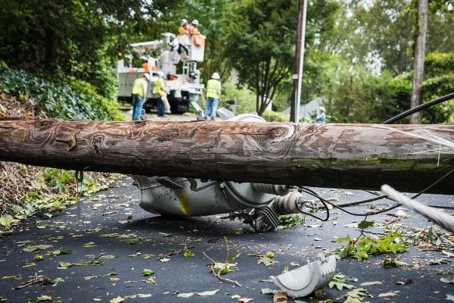
Power outages can happen at any time of year. Severe thunderstorms, hurricanes, high winds, equipment failures and other unexpected events can leave your home without electricity for hours or even days.
While you may immediately think about keeping the lights on or the refrigerator running, there’s another important system to consider: your septic system.
Depending on the type of septic system you have, a power outage can interrupt certain components and increase the risk of backups or other problems. Knowing what to do before, during and after an outage can help protect your septic system and your home.
How Your Electrical and Septic Systems Are Connected
Not every septic system relies on electricity in the same way. Traditional gravity-fed systems may continue to function during an outage, while systems with pumps, alarms, aerators or other electrical components can be affected when the power goes out.
For example, some systems use a pump to move wastewater from a pump chamber to the drainfield. Without electricity, that pump cannot operate normally. If too much wastewater continues entering the system during an extended outage, the available storage capacity may eventually be exceeded.
Understanding what type of septic system you have and which components require electricity can help you know how cautious you need to be during an outage.
How to Protect Your Septic System During a Power Outage
A few simple precautions can help reduce stress on your septic system until electricity is restored.
- Limit Water Usage: This is one of the most important things you can do during an outage. Take shorter showers, avoid unnecessary toilet flushing and postpone other activities that use large amounts of water.
- Hold Off on Laundry and Dishes: Washing machines and dishwashers can send a significant amount of water into your septic system at once. Wait until power is restored before running them whenever possible.
- Avoid Draining Large Amounts of Water: Don’t empty bathtubs, hot tubs or other large quantities of water into your plumbing system during an outage.
- Know Your System: If your septic system includes a pump, alarm or other electrical components, familiarize yourself with how they work before an outage occurs. If you’re unsure, a septic professional can help you understand your system.
- Keep Up With Routine Maintenance: A properly maintained septic system is better positioned to handle unexpected situations. Regular pumping and maintenance can also help identify potential problems before they turn into emergencies.
- Consider Backup Power: Depending on your septic system and how frequently your area experiences extended outages, a properly installed backup power source may be worth considering. Consult a qualified professional to determine what is appropriate for your system.
What Happens to a Septic System When the Power Goes Out?
The impact depends largely on the type of system you have.
If your system relies on an electric pump, wastewater may continue collecting in the tank or pump chamber even though it cannot be pumped to the next stage of the system. Continued heavy water use can eventually use up the available storage space and increase the risk of a backup.
That’s why conserving water is so important until electricity returns.
If you have a gravity-fed system without electrical components, a power outage may have little direct effect on normal operation. However, conserving water during a prolonged outage is still a smart precaution, especially if you aren’t sure how your system operates.
What Should You Do When the Power Comes Back On?
Once electricity is restored, avoid immediately running the washing machine, dishwasher, multiple showers and other water-heavy appliances all at once.
Give your septic system time to return to normal operation and gradually resume your typical water usage.
If your septic alarm sounds, you notice slow drains, sewage odors, wastewater backing up into the home or other signs that something isn’t right, contact a septic professional. Avoid attempting to access or repair electrical septic components yourself.
Be Prepared Before the Next Outage
You can’t always predict when the power will go out, but you can make sure your septic system is ready.
Knowing how your system works, keeping up with routine maintenance and having a plan to conserve water can make a big difference when an unexpected outage occurs.
Not sure when your septic tank was last pumped? Wind River Environmental can help you stay on top of routine septic maintenance before a problem develops.
Visit PumpMySeptic.com to learn more or schedule septic service.