

Running a commercial kitchen is no easy task. Ensuring that your kitchen complies with local regulations while maintaining smooth operations is critical.
One of the most important aspects of commercial kitchen maintenance involves managing grease, oil, and fats—commonly referred to as FOG (Fats, Oils, and Grease).
Left unchecked, FOG can cause significant plumbing issues, disrupt business operations, and result in costly fines for noncompliance with FOG regulations. That’s where grease traps and grease interceptors come into play.
In this guide, we’ll explain what they do, how they differ, why regular maintenance is essential, and how Wind River Environmental can help you stay compliant and worry-free.
What Are Grease Traps and Grease Interceptors?
Grease traps and grease interceptors prevent fats, oils, grease, and solids from entering your plumbing system and municipal sewer system.
These devices protect your pipes, prevent backups, and ensure you're compliant with local FOG disposal regulations.
What Are Grease Traps?
Grease traps are compact units typically installed indoors, often near sinks, dishwashers, or food-prep areas.
They’re suited for:
- Small restaurants
- Cafes
- Kitchens with moderate grease output
As hot, greasy water enters the trap, the flow slows, allowing the grease to cool and rise to the surface.
Because of their small capacity, grease traps require more frequent cleaning, often every 30 days, depending on local ordinances. Without routine maintenance, they can overflow, clog, and create foul odors.
What Are Grease Interceptors?
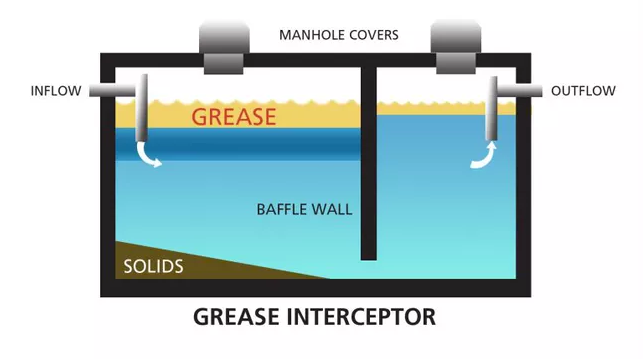
Grease interceptors are larger, high-capacity systems usually installed underground or outside the building.
They capture FOG from all commercial kitchen drains, including sinks, prep sinks, mop sinks, dishwashers, and floor drains.
They are ideal for:
- High-volume restaurants
- Hotels
- Hospitals
- Large commercial kitchens
These systems function similarly to grease traps but hold significantly more FOG.
While they don’t require cleaning as frequently, they do need specialized equipment and trained technicians to service them properly.
A neglected grease interceptor can cause full plumbing backups, foul odors, and potential kitchen shutdowns.
Why Does Regular Grease Trap & Interceptor Maintenance Matter?
No matter the size of your system, scheduled maintenance is essential.
Without it, kitchens face issues such as:
- Clogged Drains. FOG hardens inside pipes, leading to slow drainage, backups, and expensive repairs. Clogs also increase the risk of slip hazards, contamination, and even grease fires.
- Odor Problems. Built-up grease produces strong, unpleasant smells that can permeate both the kitchen and dining areas – hurting customer experience and employee comfort.
- FOG Regulation Violations. Municipalities across the country enforce strict FOG disposal rules. Non-compliance can result in: Hefty fines, Emergency repair costs, Forced shutdowns, Negative health department reports.
Staying compliant protects your business and your reputation.
FOG Regulations and Compliance
Local governments require restaurants and commercial kitchens to manage FOG responsibly to protect wastewater infrastructure.
Non-compliance may lead to:
- Fines for neglected grease systems
- Higher operating costs due to emergency cleanings or plumbing failures
- Reputation damage, especially after repeated violations
Routine servicing of your grease trap or grease interceptor is the best way to avoid these risks.
Grease Trap & Interceptor Service Maintenance Cycle
Maintenance and frequency depend on size, food type, kitchen output, and local ordinances.
However, general guidelines include:
- Grease Interceptors – Service at least every 90 days
- Indoor Grease Traps – Some municipalities require servicing every 30 days
Routine service prevents backups, odors, and violations – and protects your kitchen from costly interruptions.
If you need routine service or emergency maintenance. Wind River Environmental is here to help.
Trust Wind River Environmental for Complete Grease Management Services
Wind River Environmental is a leading provider of grease trap and grease interceptor services nationwide.
We offer:
- System Assessments. Unsure which system fits your commercial kitchen? We evaluate your needs and recommend the best solution.
- Professional Installation. From small indoor grease traps to large outdoor interceptors, our team installs systems with precision and compliance in mind.
- Repairs. If your system isn’t functioning correctly, our technicians diagnose and resolve issues fast to minimize downtime.
- Regular Maintenance Programs. Stay compliant with scheduled cleaning and maintenance tailored to your business volume and local regulations.
- Grease Removal Services. Safe, efficient grease pumping and disposal keep your FOG system functioning at its best.
Book Your Grease Trap Service Today
Effective grease management is essential for every commercial kitchen.
Grease traps and grease interceptors protect your plumbing, prevent costly issues, and ensure you're compliant with strict FOG regulations. Whether you need installation, routine maintenance, emergency service, or expert advice, we can help.
Don’t wait for a backup or violation – contact Wind River Environmental today to ensure your grease management system is operating safely and efficiently.