

Estimated reading time: 8-10 minutes.

Clogged drains affect even the best-maintained septic systems.
Between food, non-flushable items, and grease, accidents happen. Fortunately, being prepared for these situations reduces your system's downtime and resolves issues before they escalate.
Any-sized sink or shower clog can cause slow drainage, backups, unpleasant odors, leaks, and further damage. Is Drano® septic-safe? Curious about DIY, septic-safe drain cleaning?
This blog answers these questions and helps you better understand the causes of these clogs and how to handle them safely.
Table of Contents
- Why Drano® Isn't Septic Safe
- Are Other Commercial Drain Cleaners Safe?
- Septic-Safe, DIY Drain Cleaning
- Septic Drain Dos and Don'ts
- Call a Local Septic Company
Is Drano® Safe for Septic Systems?
No, Drano® is not safe for septic systems.
While it makes sense that you assume it would clear a clog quickly, it creates serious long-term problems for your septic tank and drain field.
Here are some of the main problems with using Drano® and similar chemical drain cleaners on your septic system:
- Kills beneficial bacteria that break down waste in your septic tank
- Leads to faster solid waste accumulation and more frequent pumping needs
- Generates heat from chemical reactions that damage PVC pipes
- Weakens older metal plumbing over time
- Creates a potential drain field failure from disrupted waste breakdown
Many homeowners reach for chemical drain cleaners because they seem convenient, but the temporary fix comes at a high cost. Replacing a damaged septic system ranges from $3,000 to $10,000, while professional drain cleaning typically costs under $200.
Protect your septic system by avoiding these chemical products and opting for safer alternatives.
Are Other Commercial Drain Cleaners Also Harmful to Septic Tanks?
Even "septic-safe" commercial drain cleaners, such as Green Gobbler, pose risks despite their marketing claims.
While these enzyme-based products are less harmful than Drano®, they still disrupt the bacterial balance in your tank.
The concentrated formulas introduce foreign microorganisms that compete with your system's established bacterial colony, reducing overall waste breakdown efficiency.
The EPA and most septic system manufacturers explicitly warn against using any commercial drain cleaners.
If you're dealing with frequent clogs, the underlying problem is usually tree root intrusion, a damaged pipe, or improper waste disposal. Addressing the root cause saves money and prevents system failure.
How to Clean a Drain When You Have a Septic Tank
If you’re dealing with a clogged septic system drain, don’t panic.
All too often, homeowners end up making a clog worse while trying to fix it. Flushing objects down the drain or using harmful chemicals either exacerbates the issue or creates new problems.
Take a minute to consider your options before risking the health of your drain and septic system.
Here are some of the DIY drain cleaning methods our septic experts recommend:
Flush Your Clogged Drain with Hot Water (120-140°F)

Start with the simplest solution first.
Bring a large pot of water to 120-140°F and carefully pour it directly down the drain in two to three stages. Wait a few seconds between each pour. The heat helps dissolve soap scum, grease, and organic matter, causing minor clogs.
This method works best for kitchen sinks and bathroom drains with slow drainage rather than complete blockages.
Warning: Do not pour boiling water down your drains. PVC drain pipes are rated for 140°F (60 °C). Black ABS pipe is rated for 180° F (83° C). Boiling water can also damage metal drain pipes.
Try the Baking Soda and Vinegar Treatment

Mix 1/2 cup of baking soda and 1/2 cup of white vinegar, and pour it down your drain.
The fizzing reaction helps break up organic material and push debris through your pipes.
After a minute or two, flush the drain with hot water and wait to see if it clears the obstruction. For stubborn clogs, let the mixture sit for 30 minutes before rinsing.
This natural method is completely safe for septic systems because both ingredients are biodegradable and won't harm beneficial bacteria.
Repeat the process two to three times if needed, but if the clog persists after multiple attempts, move on to mechanical removal methods.
Remove and Clear the P- or S-Trap Under Your Sink
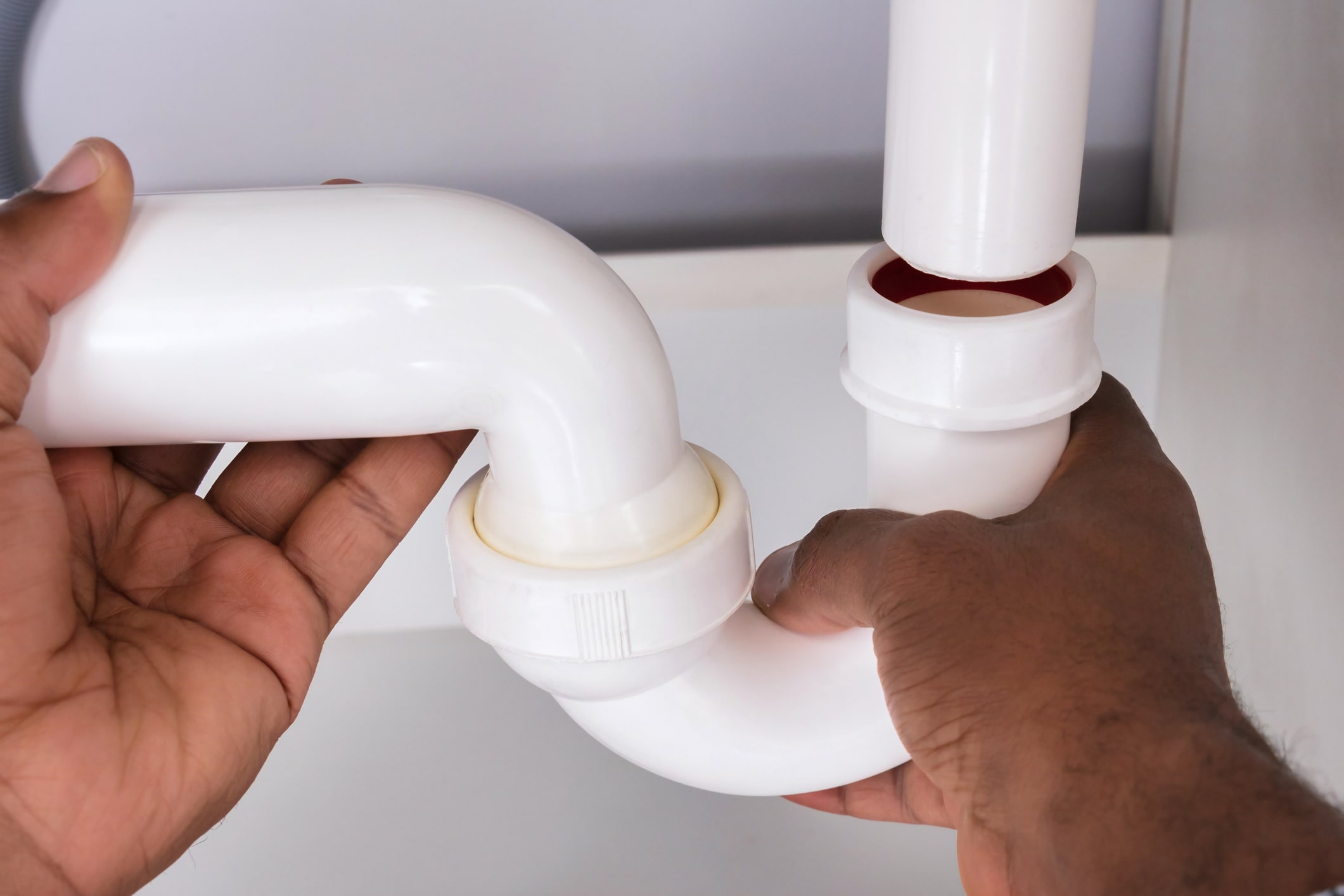
Most kitchen sink clogs happen in the P-trap or S-trap, the curved pipe directly under your drain.
First, check if your trap has slip nuts (large plastic or metal rings with visible threads) that can be removed by hand or with pliers.
Important: If you see smooth connections with no nuts or threads, the trap is glued or soldered. Call a plumber instead of attempting to force it apart.
If you have removable slip nuts, follow these steps to manually clear the clog:
- Place a bucket under the trap to catch water and debris
- Loosen the slip nuts by turning counterclockwise with your hand or adjustable pliers
- Carefully remove the trap and clean out any debris inside
- Rinse the trap thoroughly with hot water
- Reattach the trap by hand-tightening the slip nuts
- Run water to check for leaks, then gently tighten with pliers if needed
After reinstalling the trap, test your drain with cold water first to verify the leak is fixed before using hot water. Store a pair of adjustable pliers under your sink for future clogs—you'll likely need to repeat this process every few years as buildup accumulates.
Use a Plastic Drain Snake to Clear Shower & Sink Drains
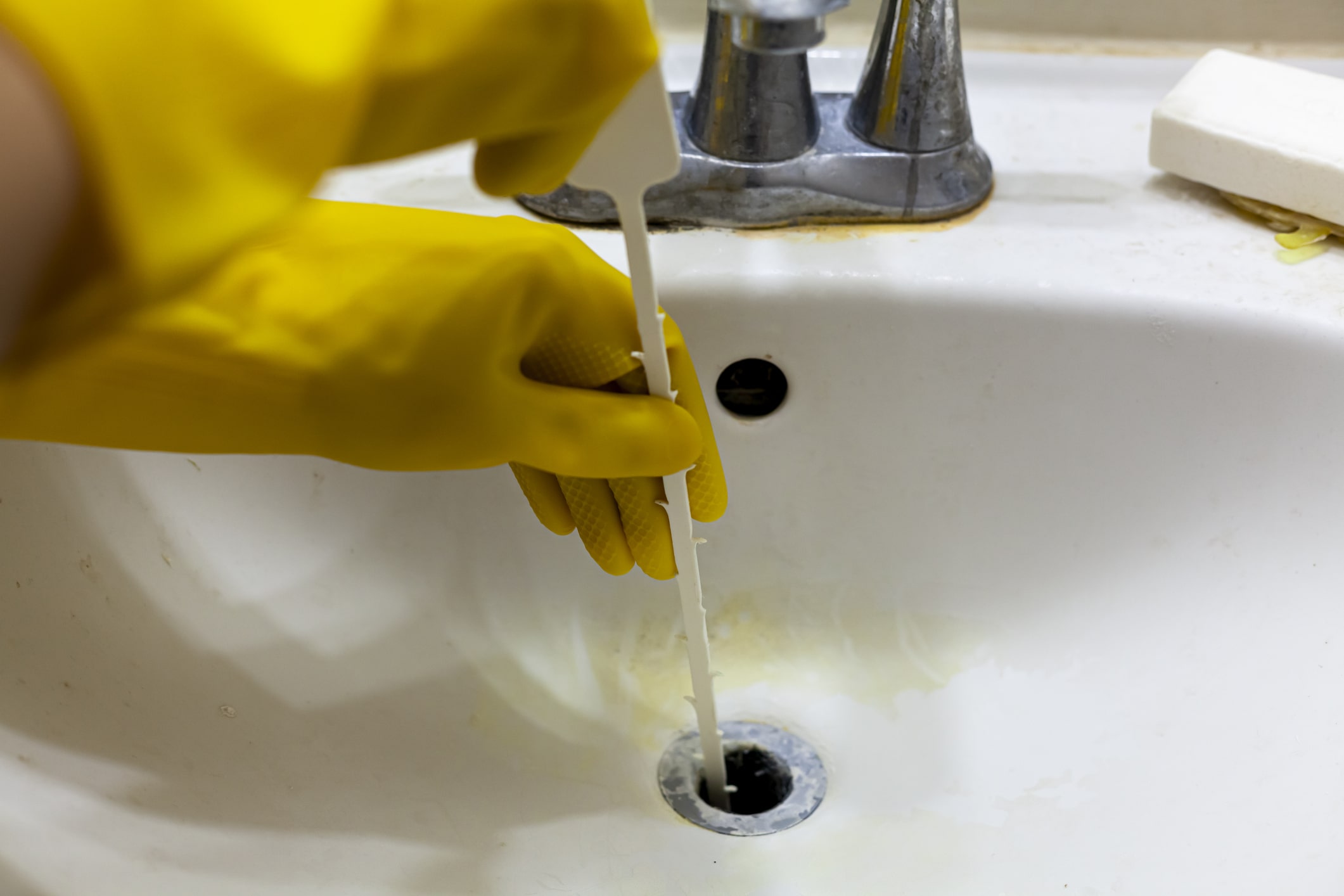
Shower clogs are almost always caused by hair wrapped around soap scum buildup a few inches below the drain.
A plastic drain snake costs under $5 at any hardware store or you can get a 6-pack online. These tools have small barbs that grab hair as you pull it back out.
Remove your drain cover if possible and follow these steps:
- Slowly insert the snake into the drain while twisting clockwise
- Push down until you feel resistance or reach the snake's full length (usually 18 to 24 inches)
- Continue twisting as you slowly pull the snake back out
- Remove the clump of hair and debris from the snake
- Rinse the drain with hot water
- Repeat if the water still drains slowly
Keep the snake under your bathroom sink for future clogs. Hair accumulates gradually, so running the snake through your drain every few months prevents complete blockages and keeps water flowing freely.
Clear Your Shower Drain with a Wire Hanger
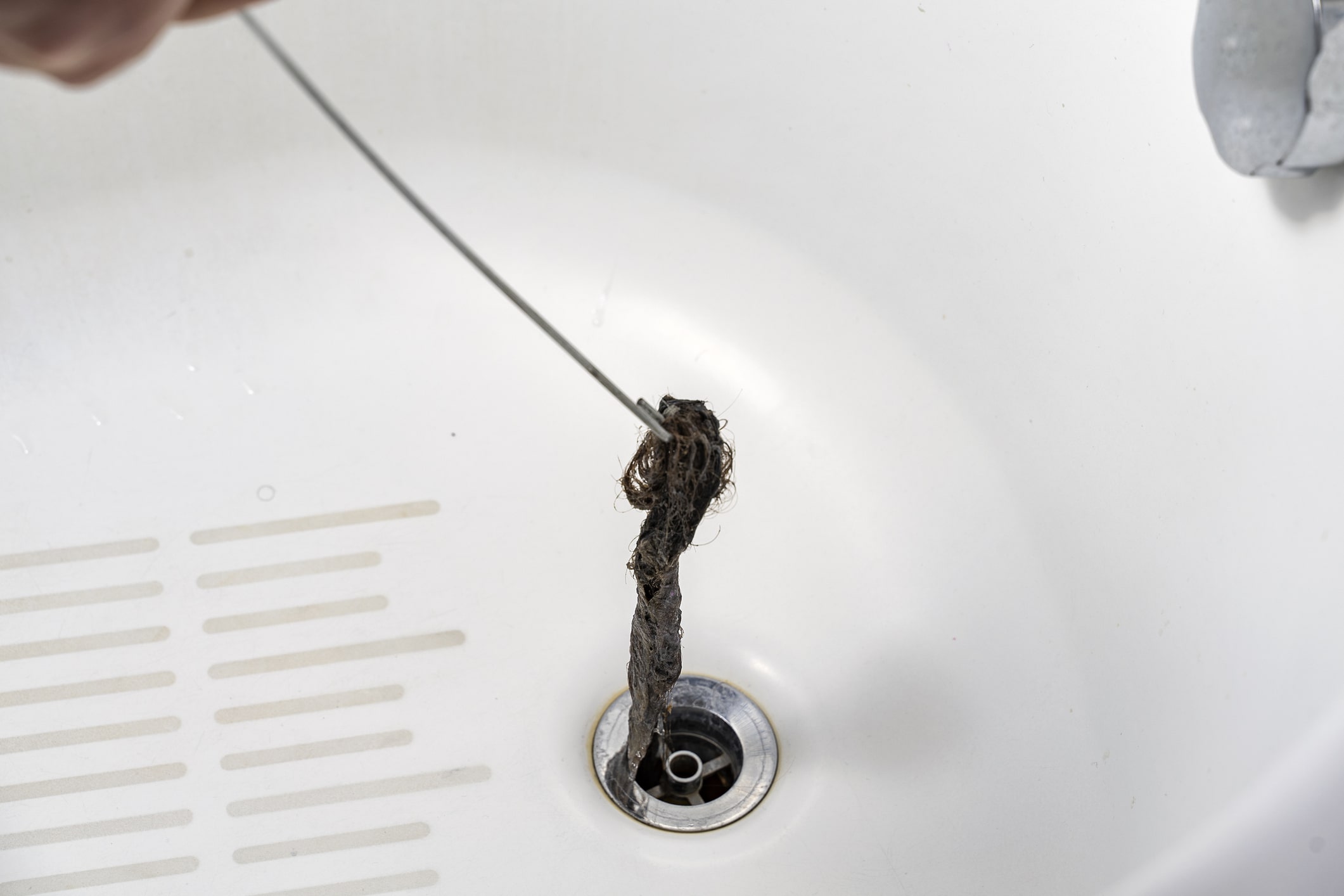
If you don't have a drain snake, a wire coat hanger will work.
Straighten the hanger completely, then use pliers to create a small hook at one end (about the size of a pencil eraser).
The hook should be small enough to fit through your drain cover, then you’ll:
- Insert the hooked end into the drain opening
- Rotate and fish around for hair clogs in the first few inches
- Pull up slowly when you feel resistance
- Clean off the debris and repeat until you stop catching hair
- Pour hot water down the drain to flush remaining residue
This method works best for recent clogs near the surface.
Customers like you have used this technique to clear stubborn shower drains without calling a plumber. The entire process takes less than 15 minutes.
If you can't reach the clog with a straightened hanger, upgrade to a proper drain snake for deeper blockages.
Septic Drain Dos and Don'ts
Almost anything can cause a clogged drain, but some items are more dangerous than others.
First, if your home has a garbage disposal, do not use it with your septic system.
Garbage disposals grind food into small particles that overload your septic tank, requiring more frequent pumping. Everyday items like eggshells, coffee grounds, and fatty foods are especially problematic because they don't break down properly.
Instead, use a sink drain strainer. At first, this isn't as convenient as having a garbage disposal, but you'll get used to it.
Other things to avoid throwing in your sink or flushing down a toilet include:
- Dental floss,
- Cigarettes,
- Gum,
- Cat litter,
- Old cooking oil, and
- “Flushable” wipes.
There is a whole host of items that can lead to clogged drains and inefficient septic systems.
If All Else Fails, Call Your Local Septic Service Company
If you've tried these septic-safe methods without success, or you’re dealing with multiple drains backing up at once, gurgling sounds from toilets, or sewage smells coming from multiple drains, you're likely dealing with a more serious issue.
While there are more ways to identify and address clogged septic systems, it’s likely time to call in the professionals before the problem escalates.
At Wind River Environmental, our technicians use best-in-class equipment and professional tools to deliver quick and efficient drain cleaning services.
Looking for help unclogging your septic system? Find your East Coast Wind River Environmentalto schedule your drain cleaning or septic service today!