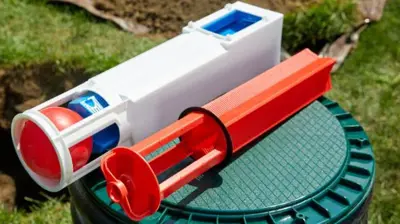


You just got your septic tank pumped. So why does it smell?
Common Culprits of Septic Tank Smells
Odors post-pump (or in general…) can be unpleasant, but—luckily—they can be overcome.
One main cause: gases, like hydrogen sulfide and methane. They form naturally when waste breaks down. While methane is odorless (but dangerous because it can catch fire), hydrogen sulfide smells like rotten eggs. The resulting foul smell can be detected both inside your house or near the septic tank itself.
Broken seals or vents are also frequent sources of unpleasant smells. When these essential parts no longer function properly—like if a seal surrounding a pipe or vent is damaged, or a vent clogs or breaks—gases can escape into the air near your house, rather than evacuating via proper channels. Regular checks can maintain vent function to prevent these issues. But once these issues arise, they won’t clear up on their own, so you’ll need to get them fixed quickly to keep from getting even worse.
Overfilled tanks are another origin for odors, and a key place to check once the smell hits. When tanks are too overloaded, waste can’t break down properly, causing more smells to escape into the air outside. You can avoid this by keeping an eye on tank levels, as well as scheduling regular pumping to keep your system running smoothly and scent-free.
Specific Spots and Why They Smell
Septic scents can smell different based upon where they’re coming from—and what problems they’re alerting you to.
Septic tank odors inside your house aren’t just aggravating; they’re communicating a possible problem with your system that needs to be addressed.
Smells near the septic tank can be attributable to gases like hydrogen sulfide or methane, which escape due to broken seals or vents, as well as the snafu of an overfilled tank. These factors should be routinely monitored and maintained to prevent issues—and if a problem does arise, don’t ignore it! Quick action is needed to resolve the situation before it spurs enduring damage.
Once you’ve dealt with septic tank smells near your house and the tank, you’ll also need to ponder the perimeter of the drainfield. An unseemly odor in this location could suggest complications with the drainfield, like clogging or saturation. These complications can cause backup and standing water, which creates a strong sewage smell. If you notice lush green patches or overly wet spots above the drainfield, that can be a major signal of trouble afoot.
Seasonal Septic Smells
Winter can be a prime season for septic smells. Weather conditions like frozen fields can interrupt the natural absorption process, causing sewage to back up.
Compounding the issue: Strong winds, which distribute the smells more widely and quickly, disturbing bigger areas around the septic system. Such issues must be dealt with swiftly to prevent potential health or environmental hazards connected to prolonged exposure to these odors.
Septic Scent Solutions
Proper tank maintenance is critical to reducing septic tank odors, both indoors and out.
Regular pumping will prevent overflows and expensive repairs. You’ll also want to check for leaks, cracks, and damages every year—and get them repaired promptly—particularly during heavy rain. (Too much water can overload the system, so use water efficiently, too!)
Enzyme-based cleaners are a must—keep harsh chemicals away, as they alter the balance of bacteria in the tank. Further, never dispose of non-biodegradable materials down drains that you have connected to your septic system.
Ensure that all drains have water traps to keep sewer gases from coming into your home. Exhaust fans or opened windows (when weather allows) can improve ventilation in spots where odors tend to crop up. Activated charcoal or baking soda near drains and toilets can also help with freshening up.
Outdoors, you may want to install a vent pipe filter to minimize odor emissions that originate from the tank. A properly sealed tank cover is also key to prevent gases from escaping.
When it comes to landscaping, steer clear of covering essential components like tanks and drainfields. Heavy machinery and vehicles on the drainfield can compact the soil, resulting in poor drainage or odor issues. Odor-absorbing plant life, like lavender or lemongrass, can be a useful remedy around the septic system, keeping both you and your surrounding neighbors happy.
FAQs
Why is my septic system producing a smell?
A buildup of waste and naturally occurring gases are typical causes of septic system smells.Why do I smell the septic tank odor outside?
Gases that escape from your septic system due to broken seals or vents—or maintenance issues like overfilled tanks—may cause foul odors.How do I make the unseemly septic odors stop?
Routine maintenance is key to preventing smells, as well as proper ventilation and appropriate cleaning products (enzyme-based—avoid harsh chemicals!) that are tailored to septic system functions.Are septic odors normal?
No. A septic system that is well-maintained and functions properly should not emit noticeable odors into your outdoor or indoor space.
Wind River Environmental provides reliable septic, wastewater, and environmental services designed to protect your property and the environment. With a focus on preventative maintenance, expert diagnostics, and long-term solutions, our team helps homeowners and businesses keep their systems running safely, efficiently, and odor-free.