
Why You Should Get Your Septic Tank Filter Cleaned (If You’re Not Pumping Soon)
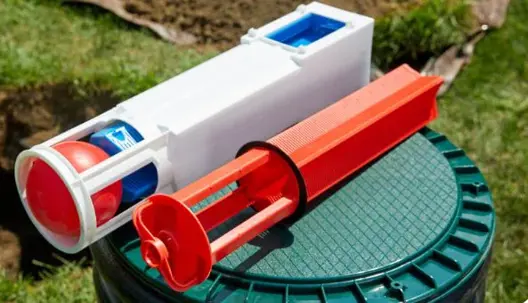
The filter in your septic tank may be small, but it performs a big job for your entire system: ensuring only properly treated wastewater reaches your drain field.
But for a filter to work best, it has to be clean. Regular filter cleaning protects your septic system’s most expensive component—the absorption area—from premature failure. Here’s what to look out for and why (and when) you should schedule a filter cleaning, especially if you’re not pumping soon.
Why a Clean Filter is Important for Your Septic System
Positioned at the outlet of the tank (where treated wastewater exits), a filter traps solid particles before they can enter the drain field. As the last line of defense against clogs, it keeps wastewater flowing smoothly from tank to drain field, preventing troublesome backups and costly drain field repairs.
For many residential installations, the drain field is the largest single expense—often accounting for half (or more!) of the total septic system cost. A clean septic tank filter keeps your drain field clear, which is why prioritizing filter maintenance is a critical investment, both for your system and your wallet.
Risks of a Filter that Isn’t Cleaned Regularly
If filters are neglected, they eventually fail at their main purpose: protecting your drain field from solids.
When a filter can’t properly function, pressure from backed-up wastewater will instead force particles around the filter’s edges or through torn mesh material. These solids then flow directly into the drain field pipes, where they remain and build.
That solid accumulation creates a biological mat that blocks soil absorption. Pooling on the surface, soggy ground, and sewage smells are all indicators that the drain field is losing capacity.
Ultimately, drain field failure due to filter neglect requires complete system replacement, which can total $10,000 to $30,000. You can avoid this pricey (and severely unpleasant) outcome by scheduling a filter cleaning every six months.
Signs of a Clogged Filter
How do you know when your filter is getting clogged? Be aware of these obvious warning signs all around your home, like:
• Slow drains throughout the house (not just one fixture)
• Gurgling noises from plumbing when the water is running
• Sewage smells inside or outside near drains
• Toilets that won't completely flush
• Water that backs up in the lower-level fixtures
How Often Your Filter Should Be Cleaned
Typically, your filter ought to be cleaned at least every six months. If your home has garbage disposals, water softeners, or more than four occupants, you may need quarterly cleaning due to the increased waste, especially if you’re not pumping soon.
How Wind River Environmental Is Always Here to Help
The pros at Wind River are here to support all your filter requirements, so be sure to book regular cleanings, in addition to your usual pumping schedule. By staying consistent with maintenance, you can avoid gradual buildups that lead to disastrous backups and pricey, urgent service calls.
It’s easy: Call 1-877-560-9007 to schedule your filter cleaning today. We’ll also do a visual inspection of all components of your septic system to ensure that everything’s running smoothly.