
Estimated reading time: 8-10 minutes.
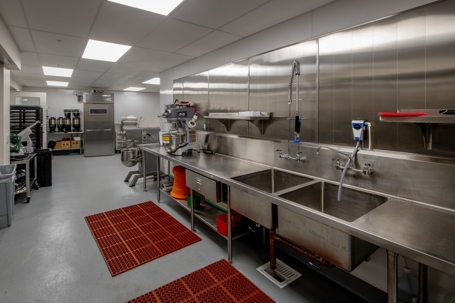
Walking into your commercial kitchen to find grease backing up into your sinks or pooling on your floor is a nightmare no restaurant owner should face.
The smell alone is enough to shut down operations, but the real panic sets in when you realize your customers are waiting and your staff is scrambling.
An overflowing grease trap doesn't just disrupt your day; it puts your business at risk of health code violations and costly emergency repairs.
But why does it happen? It could be a clog or an overloaded system, due to a lack of maintenance, a broken component, a trap that’s too small, or something else.
Whether you're facing an active overflow or want to prevent one in your restaurant, this guide from Wind River Environmental covers what you need to know. Overflows are serious, but they can be managed through timely repairs and regular maintenance.
Table of Contents
- What to Do Right Now If Your Grease Trap Is Overflowing
- When to Call for Emergency Grease Trap Cleaning
- Why Do Grease Traps Overflow?
- How to Stop a Grease Trap from Backing Up
- Finding Emergency Grease Trap Cleaning Nearby
- Common Questions About Grease Trap Overflows
What to Do Right Now If Your Grease Trap Is Overflowing
First, ensure that all kitchen operations involving water drainage are stopped.
Continuing to use sinks or dishwashers will exacerbate the overflow, spread contaminated water throughout your facility, and clog your plumbing. Turn off any equipment connected to the affected drains and alert your staff to avoid the area.
Then, contact a professional grease trap company immediately.
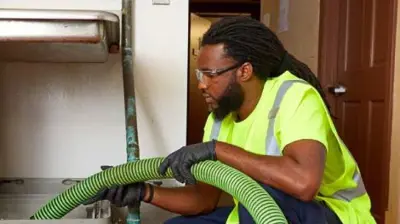
While you might be tempted to fix the problem yourself, grease trap overflows require specialized equipment and expertise to resolve safely. At Wind River Environmental, our emergency response teams are ready to assist you in returning to normal operations as quickly as possible.
While waiting for professional help to arrive, you should take these steps to minimize damage and protect your facility:
- Contain the overflow by placing absorbent materials around affected drains
- Document the situation with photos for insurance purposes if needed
- Notify your health inspector if required by local regulations
- Keep customers away from affected areas to maintain safety
- Ventilate the space to reduce odors and potential health hazards
Wondering how to unclog or fix a clogged grease trap on your own? It’s not recommended.
Attempting to pump out the trap yourself or using chemical drain cleaners will make the situation worse. These approaches push grease deeper into your plumbing system, leading to more severe clogs and more in-depth repairs.
When to Call for Emergency Grease Trap Cleaning
When your restaurant's grease trap is overflowing, every minute counts.
Knowing when you need immediate professional help protects your business from health code violations, operational shutdowns, and damage that spreads beyond the grease trap area.
Contact a professional grease trap service company if you notice:
- Sewage Backing Up Into Sinks: Wastewater flowing back into your kitchen sinks means the trap is completely blocked or full.
- Foul Odors in Dining Areas: Smells that reach your customers signal a serious problem that affects your business reputation.
- Visible Grease on Kitchen Floors: Surface overflow indicates the trap has exceeded capacity and is pushing contents back into your facility.
- Multiple Drains Affected: When several drains slow down or back up simultaneously, the main grease trap system is compromised.
- Health Inspector Visit Scheduled: You must ensure your system is compliant and functioning correctly before the inspection.
What starts as slow drainage turns into a full backup within hours in a busy commercial kitchen. If you wait too long, you risk being forced to close until the problem is resolved.
Emergency grease trap services get your commercial kitchen operational again and address compliance concerns before they become violations.
Why Do Grease Traps Overflow?
Your grease trap exists to separate fats, oils, and grease (FOG) from wastewater before it enters the sewer system.
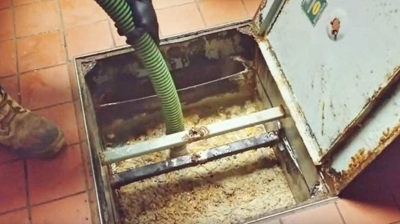
When the trap fills beyond capacity or components fail, the system backs up and overflows into your kitchen. A grease trap backup in your kitchen happens when FOG accumulation or mechanical failure prevents proper drainage, forcing wastewater back through your sinks and floor drains.
The most common causes of grease trap overflows include:
- Infrequent Cleaning: Most grease traps need pumping every 1-3 months, depending on size and usage. Skip too many services and the trap fills completely.
- Excessive FOG Buildup: High-volume kitchens or improper grease disposal can accelerate accumulation beyond what the trap can handle.
- Blocked Inlet or Outlet Pipes: Solid debris and hardened grease obstruct the pipes that feed into and out of the trap.
- Damaged Baffles: These internal walls direct flow and separate grease. When damaged, the system loses effectiveness.
- Undersized Trap Capacity: A trap that is too small for your kitchen's output reaches capacity faster than you can pump it out.
If you're pumping your grease trap monthly and still seeing backups, the trap is telling you something is wrong. Either the trap needs more frequent service, or the system itself requires repairs or replacement.
How to Stop a Grease Trap from Backing Up
Prevention is less expensive and less disruptive than emergency grease trap repairs.
A consistent maintenance schedule combined with proper kitchen practices keeps your grease trap functioning as designed and helps you avoid the stress of overflows.
Regular Grease Trap Maintenance Schedule
Your grease trap requires professional cleaning on a schedule based on its size and the volume of your kitchen. Wind River Environmental recommends the following service frequencies to keep your system compliant and functional.
Here’s a general rule of thumb, based on the size of the interior or exterior trap:
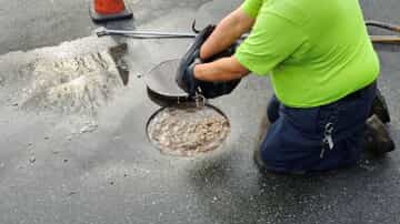
- Small grease traps (under 1,000 gallons) need pumping every 1-2 months
- Large grease traps benefit from service every 2-3 months
- High-volume kitchens producing significant FOG should schedule monthly cleanings or more often
- Commercial facilities must maintain service logs for health department inspections
Many municipalities have specific requirements for grease trap servicing under FOG programs. Regular maintenance protects you from violation fees and ensures you have the necessary documentation when inspectors request it.
Looking for more information on how often your grease trap should be cleaned? Check out our guide or request maintenance!
Daily FOG Operational Practices
What happens in your kitchen every day directly affects how well your grease trap functions.
Training your staff on proper FOG disposal and implementing smart practices reduces the load on your trap and extends the time between services.
Implement these daily habits:
- Scrape Plates Thoroughly: Remove all food waste into trash bins before washing dishes or loading the dishwasher.
- Use Drain Strainers: Install and empty strainers on all sinks to catch solids before they enter the plumbing.
- Never Pour Grease Down Drains: Collect used cooking oil and grease in containers for proper disposal or recycling.
- Train Staff Consistently: Make FOG management part of onboarding and regular staff meetings.
- Monitor Hot Water Usage: Excessive hot water can temporarily melt grease, pushing it past the trap, where it solidifies and blocks sewer lines.
What your staff does every day matters more than you think. Proper FOG disposal habits ensure your grease trap functions smoothly, while shortcuts and careless practices can lead to future backups.
Professional Grease Trap Inspections
Routine pumping is essential, but comprehensive inspections catch problems before they cause overflows. Annual professional inspections examine the entire grease trap system and identify issues that regular service might miss.
During inspections, technicians check:
- Baffle condition and positioning to ensure proper grease separation
- Inlet and outlet pipe integrity for cracks, leaks, or blockages
- Trap sizing relative to current kitchen volume and menu changes
- Flow rates and drainage speed to detect early warning signs
- Compliance with local regulations and required documentation
If your kitchen has expanded operations, changed menus, or increased customer volume, your original grease trap might no longer be adequate. An inspection reveals whether you need a larger trap or more frequent service to handle current demand.
Finding Emergency Grease Trap Cleaning Nearby
Grease trap overflows are stressful and disruptive, but you don't have to handle them alone.
Wind River Environmental provides comprehensive grease trap maintenance services that address all aspects and identify commercial kitchen grease trap problems before they become emergencies.
When emergency grease trap services are necessary, Wind River Environmental provides 24/7 response across the East Coast. Our experienced technicians arrive equipped to handle any grease trap emergency, from active overflows to complete system failures.
Find a location nearby to request emergency services or set up a preventive maintenance plan tailored to your commercial kitchen's needs.
Common Questions About Grease Trap Overflows
Should a Grease Trap Be Full of Water?
Yes, grease traps are designed to stay full of water to function properly.
The water creates a barrier that allows FOG to float to the top while heavier solids sink to the bottom, separating waste from the water that flows to the sewer.
When water levels drop below normal, the trap loses its ability to separate grease effectively, allowing FOG to pass through into your drain lines.
Do I Need to Close My Restaurant Because of a Grease Trap Overflow?
In most cases, yes. Health codes require you to stop food service operations when dealing with sewage or grease backups until the problem is resolved.
The contaminated water poses a serious health risk to staff and customers, rendering continued operations both illegal and hazardous.
Emergency grease trap services are designed to work quickly, restoring your system and getting you back to serving customers within a few hours.
Will My Insurance Cover Grease Trap Overflow Damage?
Coverage varies by policy and the cause of the overflow. Document everything with photos and detailed notes, then contact your insurance provider immediately.
Some policies cover sudden failures but exclude damage from lack of maintenance, which makes your service records important.