
Estimated reading time: 12-14 minutes.

Cleaning your septic tank filter, also called an effluent filter, keeps wastewater flowing smoothly from the tank to the drain field, preventing backups and expensive drain field repairs. Regular filter cleaning protects the most expensive component of a septic system—the absorption area—from premature failure.
The septic tank filter is located at the outlet of the tank, where treated wastewater exits. This component traps solid particles before they enter the drain field, acting as the last line of defense against clogs.
While septic tank filter maintenance can seem daunting at first, most homeowners find the cleaning process straightforward once they understand it.
Wind River Environmental lays out the tools you need and a step-by-step process for cleaning your septic filter below:
Table of Contents
- Materials You Need
- How to Clean Your Septic Tank Filter
- What's an Effluent Filter
- Why a Clean Filter Matters
- How Often the Septic Filter Should Be Cleaned
- What Happens If the Filter Isn't Cleaned
- Is Water Backed Up Above the Outlet Baffle?
- Professional Septic Filter Services
- Frequently Asked Questions
What You Need to Clean Your Septic Filter
Gathering your supplies before starting makes the cleaning process faster and safer.
Most homeowners already have these items on hand:
- Heavy-duty rubber gloves (elbow-length preferred)
- Flashlight
- Garden hose with adjustable nozzle
- Manhole hook to remove the cover (if you have a manhole cover over your outset riser)
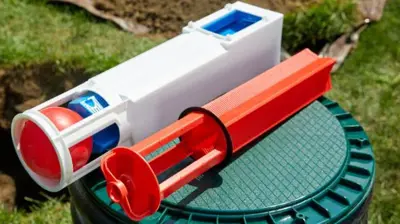
- Septic tank filter removal tool (a manhole hook can always be used if you can’t reach the filter)
- You can turn a wire hanger into a hook in you don’t have a hook
- Bucket for testing proper installation
Having everything ready before opening the tank access prevents unnecessary trips back to the garage mid-cleaning.
How to Clean Your Septic Tank Filter: Step-by-Step Guide
Step 1: Locate and Access the Filter
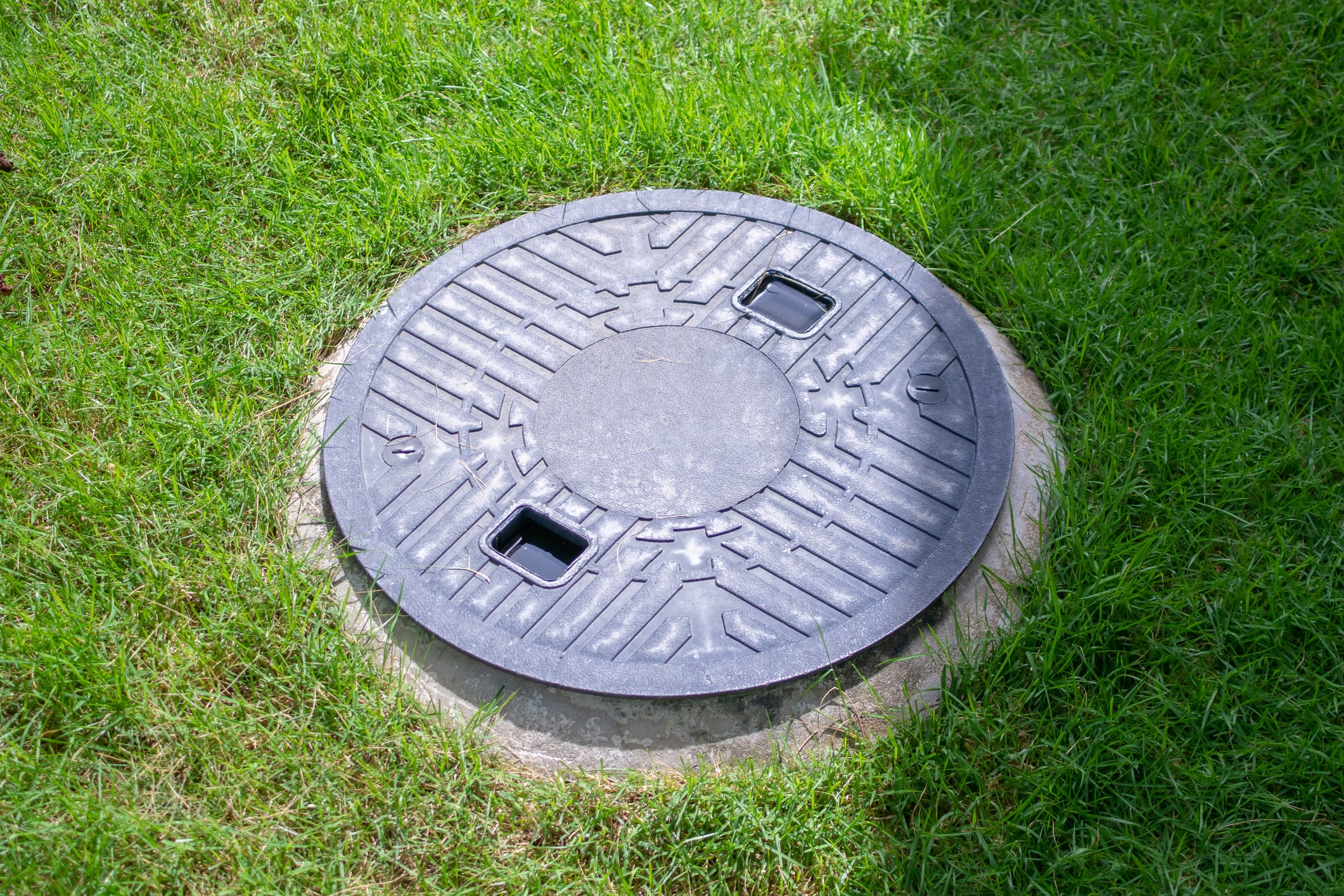 Proper septic system maintenance starts with one simple task: cleaning your septic filter every 3 to 6 months.
The effluent filter is installed in the septic tank's outlet baffle, typically on the side closest to the drain field.
The access method depends on your system's age and configuration:
- Systems with Access Risers: Look for a round or square lid in the yard between the house and drain field. Remove the lid from the smaller riser—not the main tank access. The filter sits directly below this opening, usually 6-12 inches down.
- Systems Without Risers: Open the main tank lid to reach the filter. The outlet baffle sits opposite the inlet side (where pipes from the house enter).
Once located, remove the access lid and set aside any heavy covers safely away from the opening. Have your cleaning supplies—gloves, hose, and hook tool if needed—ready before proceeding to filter removal.
Step 2: Remove the Filter

Reach down and grasp the top handle or lip of the filter cartridge. The filter should lift straight up and out of the outlet pipe. Some filters sit deep in the tank, beyond comfortable reach—this requires a specialized hook tool designed for filter removal.
With the hook in hand, follow these steps for safe removal:
- Position the hook tool with the wide, flat end facing down. Lower the hook into the tank and work the flat portion under the filter's top rim to engage it.
- Flip the hook so the curved end catches underneath the filter body. Pull steadily upward to lift the cartridge toward the opening.
- Once the filter rises most of the way out, grasp the top with your hands. Wearing gloves, complete the removal by pulling the filter completely free.
Avoid yanking or jerking the filter during removal.
Rough handling damages the filter material or cracks the outlet baffle, creating leaks that send solids directly to the drain field. Work slowly and steadily throughout the entire removal process.
Step 3: Clean the Filter
Is your filter plugged with sludge? Carry the filter to the front of the septic tank over the inlet side.
Set the garden hose to low to medium pressure before removing the filter—having water ready makes the process faster. Spray the filter thoroughly from all angles, directing the waste back into the tank on the septic inlet side.
Work methodically around the entire filter cartridge. Water flowing through the mesh from the outside pushes trapped solids outward. Rotate the filter as needed to reach all surfaces, paying extra attention to areas with visible buildup or dark staining.
Important Septic Tank Filter Cleaning Guidelines
Use extra caution when washing it out. Improper cleaning can damage the filter and create holes, allowing solids to pass through to your drain field.
Never use these methods when cleaning a septic filter:
- High-pressure washers damage the filter mesh and create holes
- Harsh chemical cleaners kill beneficial bacteria in the septic system
- Bleach destroys the filter material and disrupts biological treatment
- Scrubbing with stiff brushes tears the filter fabric
Choose a spray location away from foot traffic if hosing off elsewhere on the property. The runoff contains partially treated wastewater—keep away from wells, gardens, or areas where children and pets play.
Rinsing directly back into the tank through the inlet eliminates any environmental concerns.
Step 4: Inspect the Filter for Damage
Hold the cleaned filter up to the light and examine the mesh material.
Look for tears, holes, or sections where the material has separated from the frame. Check the gasket or seal around the filter base—this rubber component prevents wastewater from bypassing the filter.
Press gently on the filter material with your fingers. The mesh should feel firm and intact, not soft or brittle. Dark staining appears normal, but white or gray, crusty buildup indicates biological failure or chemical damage. Any physical damage requires the immediate replacement of the filter.
Signs It’s Time for a Septic Filter Replacement
Most septic filters last 10-15 years with proper maintenance.
Replace the filter when:
- Mesh develops visible tears or holes larger than a pinhead
- The frame cracks or warps out of shape
- The gasket hardens, cracks, or no longer seals properly
- Material becomes brittle and breaks apart during cleaning
- Cleaning fails to restore normal drainage despite thorough rinsing
DIY replacement becomes feasible with accessible risers and the right replacement filter. But hiring a septic professional ensures correct installation and eliminates guesswork about filter compatibility.
Step 5: Reinstall the Filter Correctly
Proper filter reinstallation can prevent thousands of dollars in drain field damage.
Follow these steps to ensure correct placement:
- Lower and Seat the Filter: Place the cleaned filter straight down into the outlet pipe opening. Push down firmly until the filter stops moving and sits flush with the top of the outlet pipe—partially installed filters allow solids to escape around the edges.
- Check Orientation: Look for arrows or marks on the cartridge indicating which direction faces up. Installing a filter upside down blocks the flow completely and causes immediate backups. Rotate the filter (if needed) before pushing down into the final position.
- Verify Proper Installation: Pour a bucket of clean water into the tank near the outlet and watch the water level. Properly seated filters allow water to flow steadily through and out to the drain field. Rising water indicates a poor seal or a reverse installation, requiring immediate correction.
Taking an extra minute to verify correct installation saves hours of troubleshooting and protects the drain field from damage. A properly installed filter works invisibly for months, while a poorly seated one creates problems within days.
What's an Effluent Filter?
An effluent filter acts as the final screening device in your septic tank, positioned at the outlet where treated wastewater exits to the drain field.
The filter contains fine mesh or screen material that captures small solid particles that are missed during settling in the tank. This simple device prevents toilet paper, grease, and other debris from entering the drain field, where they can cause permanent damage.
Not all septic systems have effluent filters, though modern codes in many areas now require them.
Older systems without filters benefit significantly from adding one—the upgrade costs $200 to $400. But it's a small price to pay, since repairing or replacing your drainfield can cost thousands of dollars.
Learn more about whether your septic tank needs a filter and contact a septic professional to evaluate whether your system would benefit from installation.
Why a Clean Filter Matters for Your Septic System
A clean filter ensures only properly treated wastewater reaches your drain field, protecting your septic system's most vulnerable component.
In many residential installations, the drain field is the largest single expense, often accounting for half or more of the total septic system cost. This makes prevention through filter maintenance a smart financial decision.
How Often the Septic Filter Should Be Cleaned
Clean your septic filter every 3 to 6 months.
Households with garbage disposals, water softeners, or more than four occupants may need quarterly cleaning due to increased waste.
Here's our tip: mark your calendar or set phone reminders! Consistent maintenance prevents the gradual buildup that leads to emergency backups and expensive service calls.
What Happens When the Filter Gets Clogged
Clogged septic tank filters can cause noticeable warning signs throughout the house.
Understanding these symptoms helps homeowners identify filter problems before sewage backs up into living spaces:
- Slow drains throughout the house, not just one fixture
- Gurgling sounds from plumbing when water runs
- Sewage odors inside or outside near drains
- Toilets that don't flush completely
- Water is backing up in the lower-level fixtures
These symptoms appear gradually as the filter accumulates debris.
Homeowners who ignore early warning signs face complete blockages that send raw sewage into the house through floor drains and toilet bowls.
What Happens If the Filter Isn't Cleaned Regularly
Neglected filters eventually fail at their primary job—protecting the drain field from solids.
Pressure from backed-up wastewater forces particles around the filter edges or through torn mesh material. These solids flow directly into the drain field pipes, where they settle and accumulate.
Solid accumulation inside drain field pipes creates a biological mat that blocks soil absorption. Surface pooling, soggy ground, and sewage odors indicate that the drain field is losing capacity.
Drain field failure due to filter neglect requires complete system replacement, costing $10,000 to $30,000. A six-month filter cleaning can prevent this expensive outcome while requiring less than an hour of work twice yearly.
What to Do If Water Is Backed Up Above the Outlet Baffle
Water backing up above the outlet baffle indicates a blockage in the inlet line (the pipe from your house to the tank), not just a clogged filter.
Address both issues to prevent recurring problems:
- Clean the filter first to restore immediate drainage
- Schedule professional jetting for the inlet line to clear accumulated debris
- DIY alternative: Use a pressure washer with specialized jetting attachments from rental shops
Professional jetting provides thorough cleaning and inspection to detect pipe damage or tree-root intrusion that DIY methods might miss.
Skip the Hassle with Our Professional Septic Filter Services
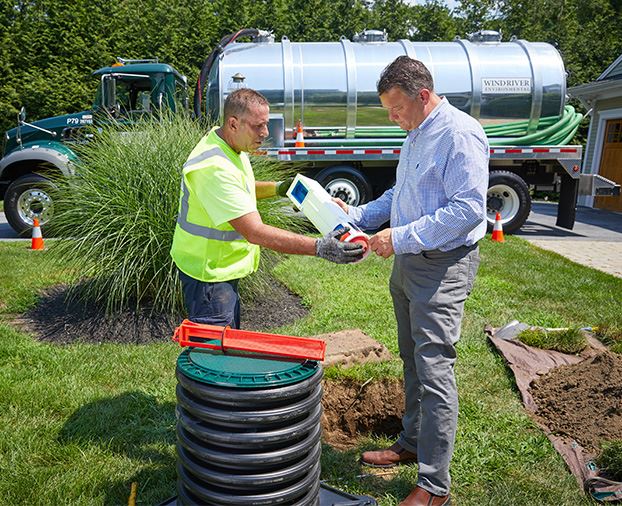
Not every homeowner feels comfortable cleaning their septic filter, and some systems present access challenges that make DIY maintenance difficult.
Wind River Environmental offers complete septic filter services, including routine cleaning, filter replacement, and installation for systems without filters.
While we're in there, we’ll keep an eye out for any hiccups before they turn into expensive repairs.
We offer comprehensive septic filter services across the East Coast. Find your Wind River Environmental today to schedule your appointment!
Frequently Asked Questions About Septic Filters
Is removing the filter for cleaning harmful to my drain field?
Removing the filter for 10-15 minutes during routine cleaning does not harm the drain field or septic system.
The brief exposure allows some untreated particles to pass through, but this minimal amount creates no lasting damage. Permanent drain field problems typically result from years of operation without a filter or from neglecting filter maintenance.
Why does my septic filter keep clogging?
Frequent filter clogging indicates issues beyond regular septic system operation.
Multiple factors contribute to rapid filter buildup requiring attention:
- Undersized septic tank providing insufficient settling time
- Overdue tank pumping is allowing excessive sludge accumulation
- Garbage disposal overuse creates fine particles
- Water softener discharges into the septic system, flushing solids prematurely
- Damaged baffles or compartments allowing raw sewage to bypass settling zones
Track your cleaning frequency to identify patterns. Filters that require monthly cleaning rather than the standard 6-month interval require professional evaluation to restore regular operation.