

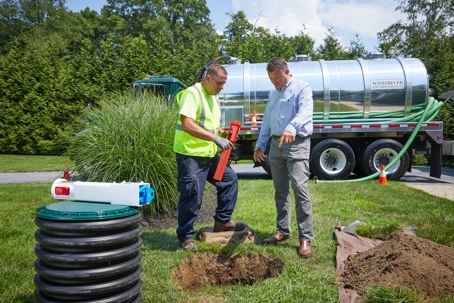
Your septic tank just got pumped, and you feel some weight lifted off your shoulders. Now you are wondering what the next step is.
Do you need to add something to your tank to rebuild the bacteria? Should you be flushing the toilet more often? The short answer is no. Your system is ready to get back to work right after pumping!
However, if you want to make sure your septic system is off to a great new start, we have the inside scoop on what to do after your septic tank pumping.
What to Do After Your Septic Tank is Pumped
Looking for proactive ways to get your septic off to a great start after pumping?
Here are a few things you can do:
- First, note the date of your last pumping, and stick to a septic pumping schedule every 2 to 3 years.
- Throughout that time between pumps, flush only human waste and toilet paper. Make sure all residents in your household know that flushing diapers, “flushable” wipes, and cotton balls are not acceptable.
- Also, take note of what is going down your drains. Avoid pouring grease down drains and overusing garbage disposals.
- Finally, be sure to keep water usage to a reasonable level. Extra-long showers and leaving the water running can overflush your system.
Not following these tips can lead to a need for more frequent pumping or even costly repairs. Check out more of our handy septic care and maintenance tips here.
Tank Function Post-Pump
After pumping, you can expect your septic tank to function normally or even better than before. During a septic pumping, floating solids and sludge are removed from your tank.
After this is removed, your tank should work more efficiently, and you shouldn’t notice any gurgling from fixtures you may have had before. Toilets should be flushing, and drains should be draining faster.
I Just Had My Septic Tank Pumped, and It's Full Again!
This may surprise you, but after a septic tank is pumped, it’s completely normal for it to fill back up within a few days of regular use.
Septic pumping removes solids and sludge. As your system is used, the tank will refill with water, usually reaching about 8 to 12 inches below the tank lid. That’s exactly how it’s supposed to work.
Water is essential for your septic system to function. So if the tank looks “full” again, there’s usually nothing to worry about.
What isn't normal is an overfull tank. An overflowing tank has a thick layer of scum and waste sitting high in the tank. Or wastewater is backing up instead of flowing out.
Here's a picture of an overflowing septic tank:
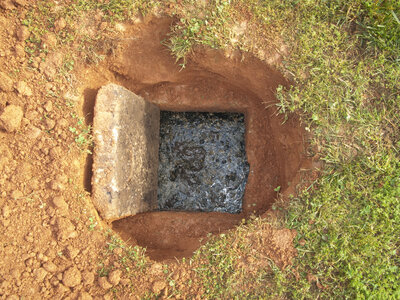
If your septic tank looks like this shortly after it was pumped, you may have a drain field failure. It's best to call your septic company and have them take a look.
Other signs of a problem include standing water in the leach field area or water levels rising above the outlet pipe. If you notice any of these, your septic system should be looked at.
Additional Septic FAQs
How long does it take to pump a septic tank?
The time it takes to pump a septic tank typically ranges from 20 to 60 minutes.
This depends on the tank's size and the amount of sludge to be removed. However, the entire process, including preparation and cleanup, can take longer.
How long does it take for a septic tank to fill up?
The time it takes for a septic tank to fill up depends on several factors, including:
- The tank's size,
- The number of people living in the household, and
- Water usage.
Typically, a septic tank can fill up in 2-5 years, but it's crucial to get it pumped every 2-3 years (on average) to prevent issues.
Should I fill my septic tank with water after pumping?
No, you should not intentionally fill your septic tank with water after pumping.
The tank will naturally fill up with wastewater from your household over time. Adding extra water isn't necessary and could potentially disrupt the system's balance.
Need Help with Your Septic System?
Regular septic tank pumping is a great way to ensure the health and longevity of your septic system. Try to avoid overthinking and taking unnecessary steps to restart your system. Your system is prepared to get back to work all on its own.
However, if you do notice anything out of the ordinary with your system after a pump, contact us. One of our expert technicians will evaluate and identify any potential issues for you.
Don’t delay. Schedule your pump today!