


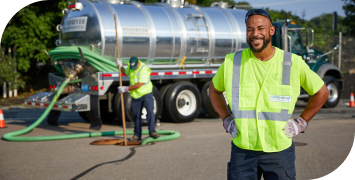
Grease Trap Replacement & Installation
Commercial Kitchen Grease Trap Services Backed by Local Vermont Experience
Drummac, A Wind River Company provides Grease Trap Replacement and Installation for commercial kitchens that need reliable, code-conscious solutions without unnecessary downtime. Our licensed and insured technicians handle both first-time installs and replacement of outdated, damaged, or undersized units, so your kitchen can keep moving.
We inspect, recommend, and install the right setup for your operation, whether you need an exterior grease tank or internal grease interceptors. Since 1997, we have served Vermont kitchens, now backed by the Wind River Environmental Unrivaled Network of more than 1,100 professionals and 1,000 service vehicles for added depth and coverage.
Grease traps are required for commercial kitchens to capture fats, oils, and grease (FOG) before wastewater reaches the sewer system. When a trap fails or is undersized, you can face health code violations, municipal fines, sewage backups, and even temporary closures.
Call Drummac, A Wind River Company at (802) 520-1058 for fast, professional Grease Trap Replacement and Installation service. A live team member is available 24/7 to take your call and schedule the help you need.
Why Commercial Kitchens Choose Drummac, A Wind River Company
Since 1997, Drummac, A Wind River Company has grown from a family-owned business in Highgate Center into a trusted grease and septic resource across northern Vermont. Our work is built on community relationships, clear communication, and accessible service for busy operators.
By joining Wind River Environmental, we gained access to advanced technology, equipment, and a network of more than 100 local teams, while keeping the same local crew you know. Plumbers and contractors across the region routinely refer commercial grease and drain jobs to us when the work calls for heavier-duty gear and grease trap experience.
- Local knowledge of Vermont requirements. We understand commercial kitchen compliance expectations, FOG ordinance requirements, and wastewater pretreatment rules that apply across Vermont and northern New York State.
- Licensed and insured technicians. Our team receives continuous training on grease interceptor sizing, installation best practices, and safe grease trap excavation and removal.
- Upfront pricing. We walk you through the scope before work starts so you are not surprised by hidden fees.
- One-stop service. We handle grease trap replacement and installation, grease trap cleaning, drain cleaning, septic services, camera inspections, and other non-hazardous liquid waste services so you do not have to coordinate multiple vendors.
- 24/7 live answer. You reach a real person any time you call, who can help assess urgency and move you to the next step.
Grease Trap Selection for Your Kitchen
The right grease trap setup depends on how your kitchen operates, not a one-size-fits-all chart. Our technicians review your current and planned use, then recommend either internal grease interceptors or an exterior grease tank that matches your needs and local rules.
- Kitchen size and fixture count. The number of sinks, dishwashers, and prep areas, along with their flow rates, affects grease interceptor sizing.
- Daily grease output. High-volume or high-FOG production kitchens often benefit from an exterior grease tank, while smaller or moderate-use kitchens may be well served by internal units.
- Available space. We look at indoor space under or near sinks versus outdoor space for underground tanks, along with access for pumping and service.
- Local regulations. Municipal FOG ordinance requirements and wastewater pretreatment limits influence minimum capacity and configuration.
Undersized units fill quickly and need frequent service, which increases the risk of backups and unexpected shutdowns. Oversized units can allow fats, oils, and grease to cool and solidify before separation, which can create blockages in the trap or connecting lines.
Internal grease interceptors typically sit beneath or near sinks, which can be a good choice for limited-space kitchens or retrofits. An exterior grease tank is usually an underground unit located outside the building, often better suited to high-volume facilities that need larger capacity and easier pump-out access.
After installation, we can set up preventative maintenance scheduling for cleaning and pumping tailored to your usage to help reduce emergency calls and costly repairs.
Our Grease Trap Replacement & Installation Process
We structure each project to respect your schedule and limit disruption. Whether we are replacing a failed unit or installing for a new build or renovation, you get a clear plan before work begins.
- 1. Inspection and assessment. We begin with a thorough inspection of your existing system, including traps, lines, and access points. We identify issues and develop a customized installation plan around your kitchen layout and hours.
- 2. Removal of existing equipment. When replacing a unit, our crew performs careful grease trap excavation and removal or interior demolition as needed. We work to protect your property and coordinate timing to reduce impact on service.
- 3. New trap installation. We set and level the new grease trap, connect it to the plumbing system at both inlet and outlet, and ensure proper venting as required. Correct connection is critical, since poor alignment can lead to overflow or line blockage.
- 4. Final inspection and testing. Before closing the job, we perform a final inspection and function check. We confirm that flow is correct, there are no visible leaks, and access points are properly set for future pumping.
- 5. Maintenance plan. If you choose, we schedule ongoing grease trap pumping and inspections so you have a clear plan for long-term fats, oils, and grease management.
Indoor replacements are often completed in a single visit, while outdoor installations that require excavation can take longer depending on soil, utilities, and site conditions. We keep you updated on timing and next steps from start to finish.
Frequently Asked Questions About Grease Trap Replacement & Installation
Do I Need Grease Trap Replacement Or Just Pumping?
Pumping and cleaning address normal buildup. If backups, odors, or clogs return quickly after service, or if you see visible leaks or corrosion around the unit, replacement may be the better long-term solution. Our technicians can inspect, recommend, and install a new unit when your current trap can no longer perform reliably.
How Is The Correct Grease Trap Size Determined?
Proper grease interceptor sizing is based on the number and size of fixtures, how heavily they are used, and any local code requirements. There is no universal standard that fits every kitchen. We calculate capacity based on your actual operation and municipal guidelines so your system is appropriately sized for your volume.
How Long Does Installation Take?
Indoor replacements are often completed in one visit, depending on access and how your plumbing is configured. Outdoor work that involves installing or replacing an exterior grease tank and excavation can take longer, especially if there are utility conflicts or weather issues. We review expected timelines with you before work begins.
What Are Signs My Grease Trap Needs To Be Replaced?
- Persistent leaks or visible structural damage around the trap.
- Recurring overflow or sewer line backups after routine pumping.
- Capacity that cannot keep up with your current kitchen volume.
- Strong, ongoing odors even soon after cleaning.
If you are seeing any of these issues, we can inspect your system and explain whether repair, upsizing, or full replacement makes the most sense.
Can Drummac, A Wind River Company Handle Ongoing Maintenance After Installation?
Yes. After your new trap or tank is installed, we can schedule regular pumping and inspection based on your volume and local requirements. This helps protect the sewer system, support commercial kitchen compliance, and reduce the chance of surprise shutdowns.
Are You Available For Grease Trap Emergencies?
Drummac, A Wind River Company is available 24/7 for urgent grease trap and line issues. When you call, you reach a live person who can help you understand the situation, talk through immediate steps, and dispatch a crew when needed.
Schedule Grease Trap Replacement & Installation
If you are dealing with frequent backups, planning a remodel, or setting up a new kitchen in Vermont or nearby northern New York State, Drummac, A Wind River Company can help you choose and install the right grease trap solution. Our team combines nearly three decades of Vermont service with the resources of the Wind River Environmental network.
We focus on clear communication, upfront pricing, and a process built around your hours and operational needs. From selection and installation to preventative maintenance scheduling, you get a single team that knows your system and your business.
Ready to get started? Call Drummac, A Wind River Company at (802) 520-1058 to schedule Grease Trap Replacement and Installation or request an inspection today. Let’s keep things flowing!
-
Unrivaled NetworkOver 1,100 experts, 1,000 vehicles, and 100 local teams united.
-
Complete SolutionsFrom clogged drains to flooded streets, we've got you covered.
-
Legacy of ServiceOver 75 years of dedication to our valued customers.
-
Real-Time UpdatesReceive detailed reports and real-time reporting from our technicians.


Hear From Our Happy Customers
-
“I called Drummac and they had a truck at our house within two hours to pump out our septic.”- Erik J.
-
“Great service, on time, as clean as can be for the type of service.”- David C.
-
“This cleared out the lines, it drains great now, adding life to the system!”- Herbert K.
-
“They did not charge me extra for the prompt service. Highly recommend Drummac.”- Bruce G.
-
“I called Drumac and got the emergency answering machine. I got a call back within 30 minutes.”- Susan M.
